

The best semantic SEO consultants help your website rank by improving meaning, relevance, and topical authority—not just keywords. Look for consultants who understand entity-based SEO, topical maps, structured data, and content strategy. Choose based on proven results, clear processes, and strong technical + content expertise.
What Is Semantic SEO?
If you’re a beginner, business owner, or student trying to understand SEO, you’ve probably heard this before:
“Just use the right keywords, and you’ll rank.”
That used to work years ago. But today, Google cares more about meaning than exact wording. That’s where semantic SEO comes in—and why hiring the best semantic SEO consultants can be a game-changer for your business in the United States.
Semantic SEO is not just a trendy buzzword. It’s the foundation of how modern search engines work:
- Google understands topics, not only keywords
- Google connects entities (people, brands, places, products)
- Google rewards sites that prove topical authority
So instead of writing 50 blog posts targeting tiny keyword variations, semantic SEO helps you build a website that’s structured like a trusted knowledge source.
Semantic SEO is an SEO strategy that focuses on:
- search intent (what people truly want)
- topics and subtopics
- related entities and concepts
- structured content organization (topical clusters)
- context, not keyword repetition
Semantic SEO in one sentence
Semantic SEO helps search engines understand what your content means, not just what words it contains.
Why semantic SEO matters now
Google uses systems like:
- Knowledge Graph (entities)
- natural language understanding
- topical relevance scoring
- helpful content evaluation
So today, the winning sites are the ones that answer questions completely, clearly, and accurately.
What a Semantic SEO Consultant Actually Does
A semantic SEO consultant isn’t just someone who “adds keywords” or “builds backlinks.” A real semantic SEO expert works across strategy, content, and technical SEO.
Here’s what the best ones typically do:
1) Build topical authority (content map)
They plan content like a university course:
- main topic (pillar)
- supporting subtopics (clusters)
- related questions (People Also Ask)
- internal linking paths
2) Identify entities and relationships
They optimize content to include:
- related concepts
- important definitions
- connected entities (brands, tools, services, locations)
3) Improve content depth and completeness
They ensure content includes:
- steps
- examples
- pros/cons
- comparisons
- definitions
- FAQs
4) Use structured data
They implement schema like:
- FAQ schema
- Article schema
- Local business schema
- HowTo schema (if applicable)
5) Strengthen internal linking
Semantic SEO relies heavily on internal links, such as:
- pillar → cluster links
- cluster → pillar links
- cluster → cluster links (when relevant)
Best Semantic SEO Consultants: What “Best” Really Means
When people search for best semantic SEO consultants, they want one of these outcomes:
✅ a consultant who can grow traffic
✅ a consultant who can increase leads/sales
✅ a consultant who can build a long-term SEO system
✅ someone who understands modern SEO beyond keywords
So instead of focusing on “famous names,” you should focus on fit + proof + process.
The best semantic SEO consultants usually have:
- a clear framework (not random tips)
- proven results (case studies or examples)
- strong technical understanding
- strong content strategy skills
- communication that’s beginner-friendly
How to Choose the Best Semantic SEO Consultants in the United States
If you’re in the USA and hiring SEO help, you’ll find:
- freelancers
- boutique SEO consultants
- agencies
- enterprise SEO strategists
Here’s how to pick the right one.
1) Look for semantic SEO skills (not just “SEO”)
Many consultants still do traditional SEO only:
- keyword density
- “SEO optimized” blog templates
- basic audits
You want a consultant who can explain:
- topical authority
- content clustering
- entity SEO
- search intent mapping
Quick test: Ask them,
“How do you build a topical map for semantic SEO?”
A strong consultant answers with a clear process—not vague marketing words.
2) Check for real proof of results
A good semantic SEO consultant should show:
- sample content maps
- internal linking strategy examples
- traffic growth screenshots
- ranking improvements
- lead growth (if possible)
Tip: If they can’t share client names, they can still share anonymized proof.
3) Confirm they understand your industry
Semantic SEO is context-based. It works best when the consultant understands:
- customer journey
- pain points
- decision-making process
- compliance needs (medical/legal/finance)
For example:
- a consultant great for SaaS may not be ideal for local dentistry
- an ecommerce SEO expert may not be best for law firms
4) Make sure they include content + technical SEO
Semantic SEO is not only content.
You need both:
- Content strategy (topical map, briefs, internal links)
- Technical SEO (crawlability, indexation, schema, site structure)
If someone only does content and ignores technical SEO, results will be limited.
5) Evaluate their communication
Especially for beginners and business owners, this matters a lot.
The best semantic SEO consultants:
- explain SEO in simple English
- provide clear deliverables
- give timelines and milestones
- don’t overpromise
Checklist: Questions to Ask Before Hiring
Use this checklist during calls.
Strategy questions
- How do you define semantic SEO?
- What’s your process for building topical authority?
- How do you find entities and related topics?
- How do you match content to search intent?
Implementation questions
- Do you provide content briefs or write content too?
- Do you optimize internal linking?
- Do you add structured data/schema?
Reporting questions
- What KPIs do you track? (traffic, rankings, leads)
- How often do you report?
- How do you measure ROI?
Trust questions
- Can you share case studies or examples?
- Do you follow Google’s helpful content guidelines?
- What mistakes do you see businesses make in semantic SEO?
Step-by-Step Guide: Hiring a Semantic SEO Consultant
If you want a simple plan that works, follow this:
Step 1: Define your goal
Pick one main target:
- grow organic traffic
- generate leads
- increase ecommerce sales
- improve brand visibility
Step 2: Audit your website basics
Before hiring, check:
- Is your site indexed?
- Is it fast on mobile?
- Do you already have content?
Even simple audits help set expectations.
(Internal link: your-service-page-url)
Step 3: Shortlist 3–5 consultants
Look for:
- semantic SEO experience
- niche relevance
- clear service offerings
Step 4: Ask for their semantic SEO approach
Request:
- sample topical map
- example content brief
- internal linking strategy outline
Step 5: Start with a pilot project
Best practice: do a 30–60 day pilot:
- topical map + content plan
- optimize 5–10 pages
- build internal linking structure
- add FAQ schema
Step 6: Scale what works
After pilot success:
- expand content clusters
- strengthen backlinks naturally
- add programmatic or scalable content (if relevant)
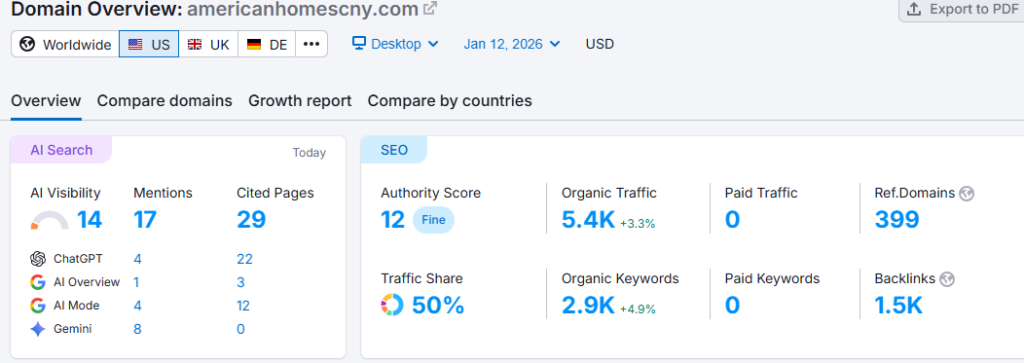
Business: Real Estate Website (American Homes NYC)
Challenge: The website had only five pages, limiting its ability to rank on Google and attract local buyers and sellers.
SEO Strategy (Semantic Content Plan)
To strengthen topical authority and improve search visibility, we built a semantic SEO structure:
Pillar Page: “Best Real Estate Agent in NYC”
Supporting Cluster Pages:
“Best Neighborhoods to Buy a Home in NYC”
“How to Sell Your Apartment Faster in New York”
“NYC Home Buying Process: Step-by-Step Guide”
Results
✅ More keywords ranked in Google
✅ Increased local visibility across NYC searches
✅ More qualified leads from buyers and sellers

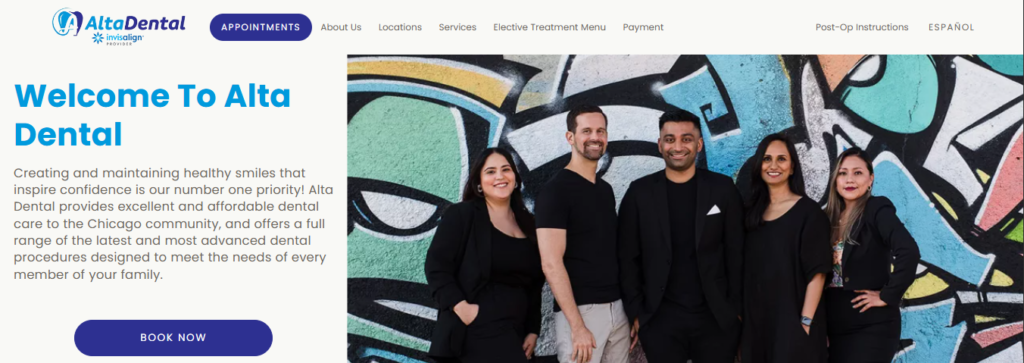
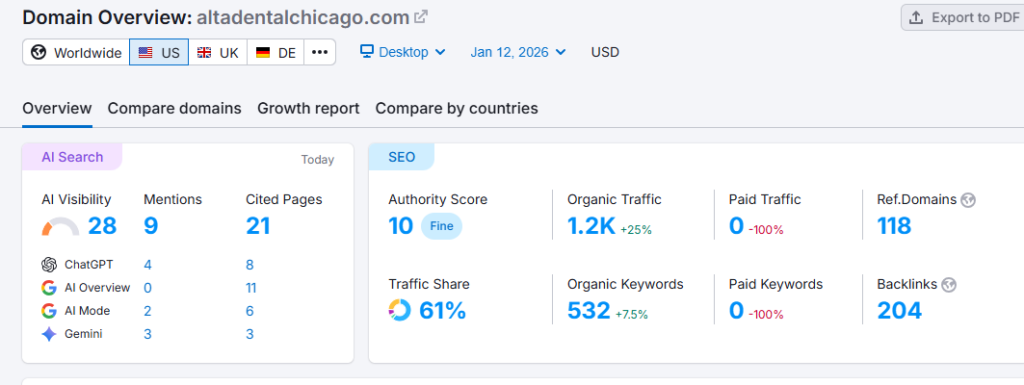
Alta Dental Chicago
Business: Alta Dental Chicago (Dental Clinic Website)
Problem: The website had only a few service pages, limiting search visibility and new patient inquiries.
Semantic SEO Strategy
We created a topic cluster content plan to build authority around high-intent dental searches:
Pillar Page: “Best Dentist in Chicago”
Cluster Pages:
“Emergency Dentist Chicago”
“Teeth Whitening in Chicago”
“Dental Implants Chicago”
Result
✅ More dental keywords ranked in Google
✅ Increased calls + appointment form submissions
✅ More local patients from Chicago searches
Why It Worked
Google recognized the website as an authority in Chicago dental services, improving rankings and generating consistent local leads.
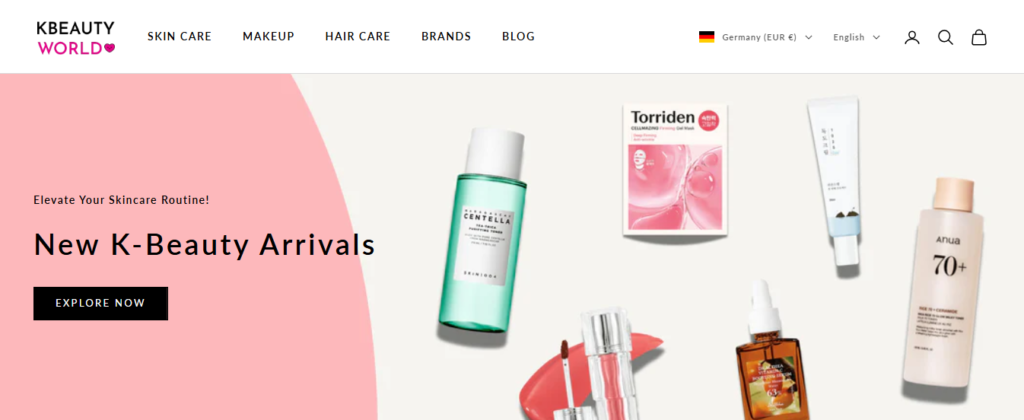
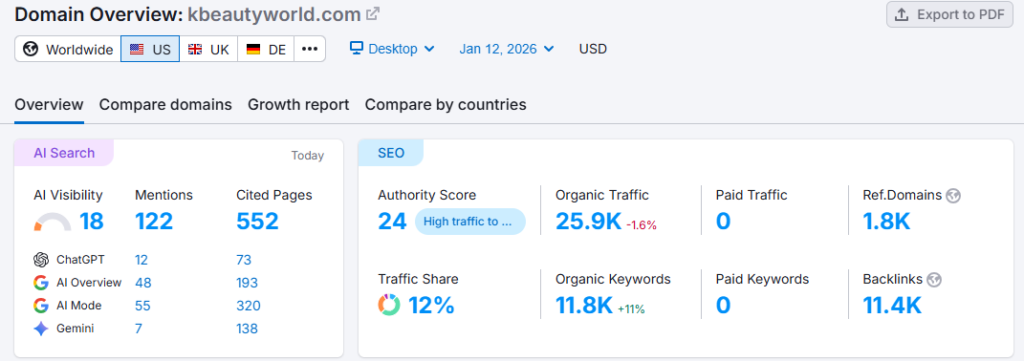
K-Beauty Products (Korean Skincare Brand)
Business: K-Beauty Skincare Website (Ecommerce Brand)
Problem: The store had limited product descriptions and lacked supporting informational content to rank organically.
Semantic SEO Strategy
We built a skincare-focused semantic structure that targeted product + informational intent:
Pillar Page: “Best Korean Skincare Products”
Cluster Pages:
“Best Korean Sunscreen for Oily Skin”
“Glass Skin Routine Step-by-Step”
“Niacinamide vs Vitamin C: What’s Better?”
Result
✅ Higher rankings for skincare-related keywords
✅ Increased organic traffic to product pages
✅ More sales from search-driven shoppers
Why It Worked
The strategy helped Google understand the brand as an expert in Korean skincare solutions, improving keyword coverage and boosting ecommerce conversions.
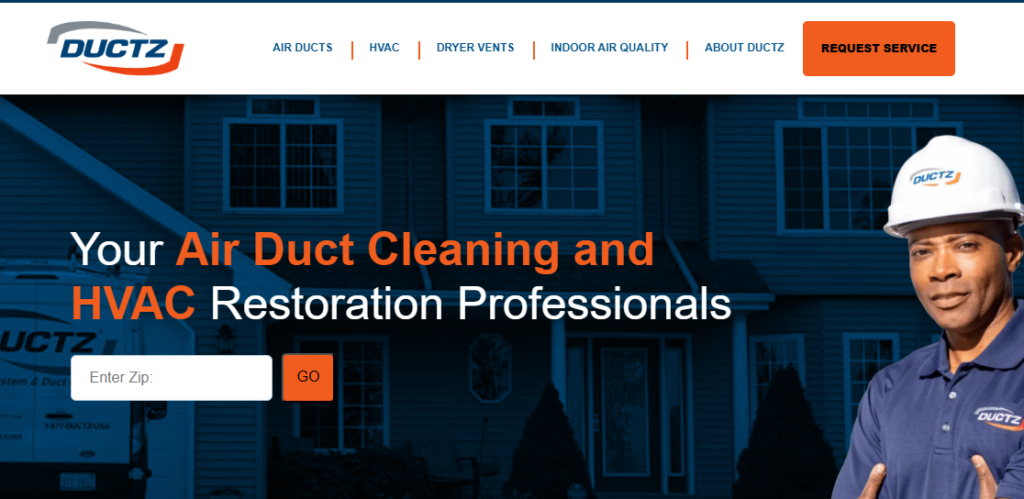
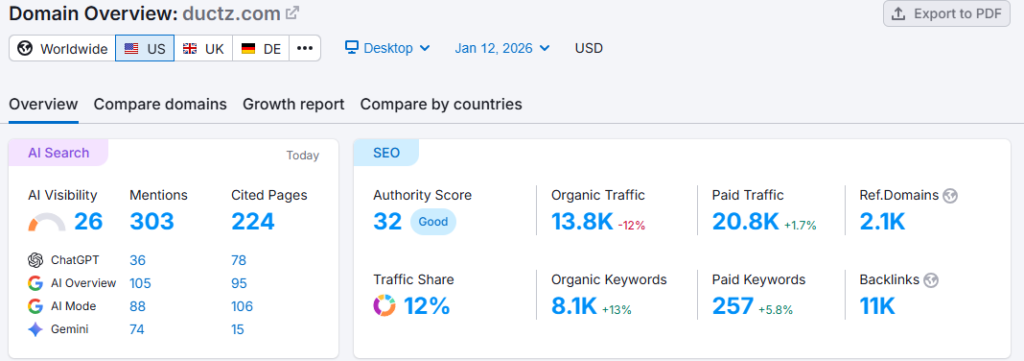
Ductz Cleaning Business
Business: Air Duct Cleaning Service Website
Problem: The website had only a homepage + contact page, so it couldn’t rank for local service searches.
Semantic SEO Strategy
We created a full service-based content cluster targeting homeowner pain points:
Pillar Page: “Best Air Duct Cleaning Service Near Me”
Cluster Pages:
“Dryer Vent Cleaning Service”
“Signs You Need Air Duct Cleaning”
“Mold in Air Ducts: What to Do”
Result
✅ More local keywords ranked
✅ Increased calls and quote requests
✅ Better visibility in service-area searches
Why It Worked
The website became topically complete around duct cleaning and indoor air quality, signaling strong service relevance to Google.
Common Mistakes to Avoid
Even smart business owners make these mistakes:
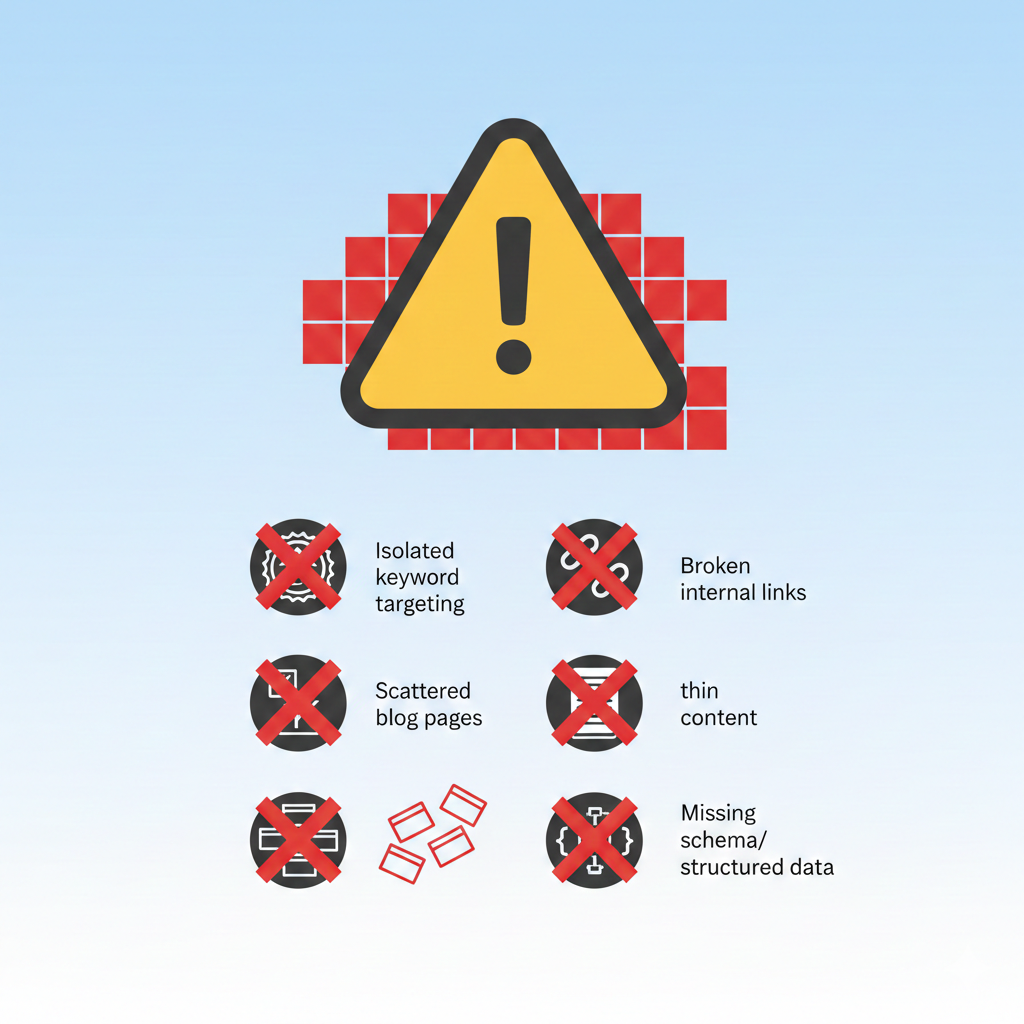
❌ Mistake 1: Hiring based on “#1 ranking guarantee”
No one can guarantee rankings. Google changes constantly.
❌ Mistake 2: Focusing only on keywords
Semantic SEO is about topics + entities + intent. Keywords come naturally.
❌ Mistake 3: Publishing random blog posts
Posting without a topical structure kills semantic growth.
❌ Mistake 4: Ignoring internal linking
Internal linking is one of the strongest semantic SEO signals.
❌ Mistake 5: Thin content
Short, generic articles won’t build authority.
❌ Mistake 6: No schema / structured data
Schema helps AI and Google understand your content better.
Best Tools & Resources for Semantic SEO
Here are practical tools used by top consultants:
Semantic research & topical mapping
- AlsoAsked / AnswerThePublic (question mining)
- Google Search “People Also Ask” (free + powerful)
Entity & content optimization
- SurferSEO / Clearscope (content relevance support)
- InLinks (entity optimization)
- Google Natural Language API (advanced option)
Technical SEO
- Screaming Frog (site crawl)
- Google Search Console (indexing + performance)
- PageSpeed Insights (Core Web Vitals)
Schema tools
- Schema.org (reference)
- Google Rich Results Test
GEO (Generative Engine Optimization): Semantic SEO for AI Search
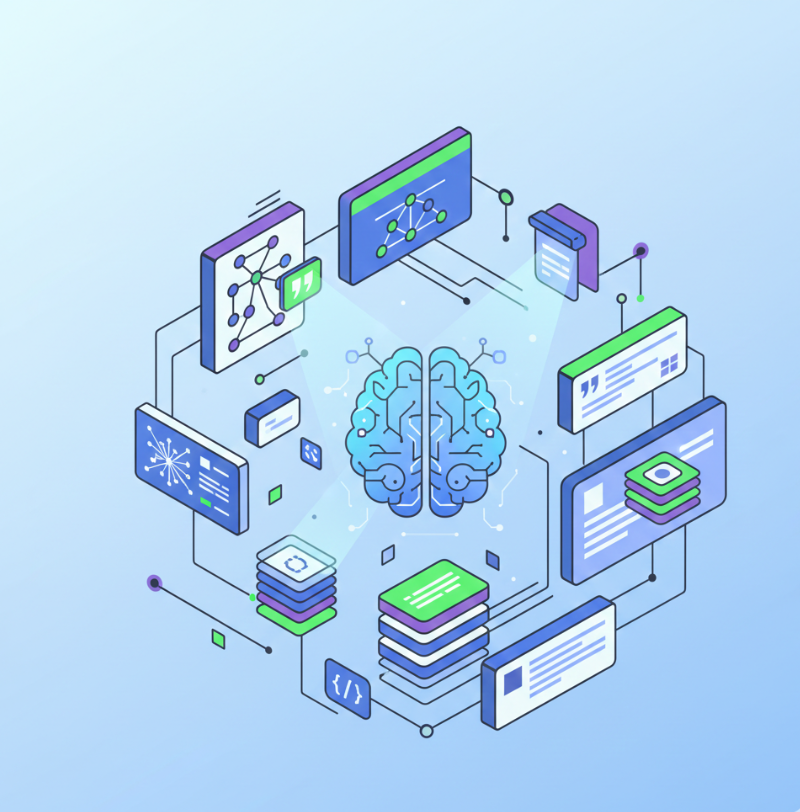
AI engines and search assistants don’t rank pages the same way humans do. That’s why semantic SEO is becoming even more valuable for GEO (Generative Engine Optimization).
GEO definition (simple)
GEO is optimizing content so AI systems can extract, trust, and summarize it correctly.
What semantic SEO improves for AI engines
- clearer definitions
- structured steps
- better entity relationships
- more quotable answers
Pros & Cons of Hiring Semantic SEO Consultants
Pros
- faster path to topical authority
- improved long-term rankings
- more helpful, high-converting content
- future-proof strategy for AI search
Cons
- can take 3–6 months for strong results
- high-quality consultants can be expensive
- requires consistency (not one-time fixes)
What is a semantic SEO consultant?
A semantic SEO consultant helps websites rank by improving topical authority, entity relationships, and search intent targeting—rather than only focusing on keyword placement.
How much do semantic SEO consultants cost in the United States?
Costs vary widely. In the USA, semantic SEO consulting often ranges from $1,000 to $10,000+ per month, depending on experience, scope, and competition in your niche.
How do I know if an SEO consultant is truly “semantic”?
Ask how they build topical maps, how they use entity optimization, and what their internal linking strategy looks like. If they only talk about “keywords and backlinks,” they may not be semantic-focused.
How long does semantic SEO take to work?
Most businesses see early movement in 4–8 weeks, but strong growth usually takes 3–6 months depending on your website’s authority, content quality, and competition.
Is semantic SEO better than traditional SEO?
Semantic SEO is a modern evolution of traditional SEO. It includes keywords but goes further by improving meaning, context, topical authority, and structure—what Google relies on today.
Do semantic SEO consultants also write content?
Some do, some don’t. Many consultants create topical maps, briefs, and optimization guidance, while content writers execute. The best setups include both strategy and writing.
What deliverables should I expect from the best semantic SEO consultants?
Common deliverables include:
- topical authority map / content hub plan
- keyword + entity research
- content briefs
- internal linking plan
- on-page optimization
- schema recommendations
- monthly reporting
Should a beginner hire a consultant or learn semantic SEO first?
If you have time, learning basics helps you make better decisions. But if you want faster results and fewer mistakes, hiring a consultant for a pilot project is often the smartest option.
Conclusion
Finding the best semantic SEO consultants in the United States isn’t about choosing the biggest agency or the loudest marketer. It’s about selecting an expert who understands:
- topical authority
- entity-based search
- structured content ecosystems
- technical SEO + content strategy together
If you want consistent rankings, more qualified traffic, and content that performs well in both Google and AI search engines, semantic SEO is one of the best long-term investments you can make.
Ready to build topical authority in your niche?
Explore our semantic SEO services and request a strategy call today.
Contact us now for your free consultation